 listicle
Alpaca Farm Tours: What to Know Before You Book
Table of Contents
- What Alpaca Farm Tours Actually Look Like
- How Long Alpaca Farm Tour Duration Runs, and What Fills That Time
- Alpaca Farm Tour Prices: What Shapes the Cost
- What to Wear to an Alpaca Farm (and What to Leave at Home)
- Booking, Availability, and Seasonal Variations
- Family Policies, Age Restrictions, and Accessibility
- Animal Welfare and Conservation: What Ethical Alpaca Farm Tours Look Like
- Hidden Brook Ranch Alpaca: Guided Walks Near NYC
Last Updated: August 25, 2026
What Alpaca Farm Tours Actually Look Like
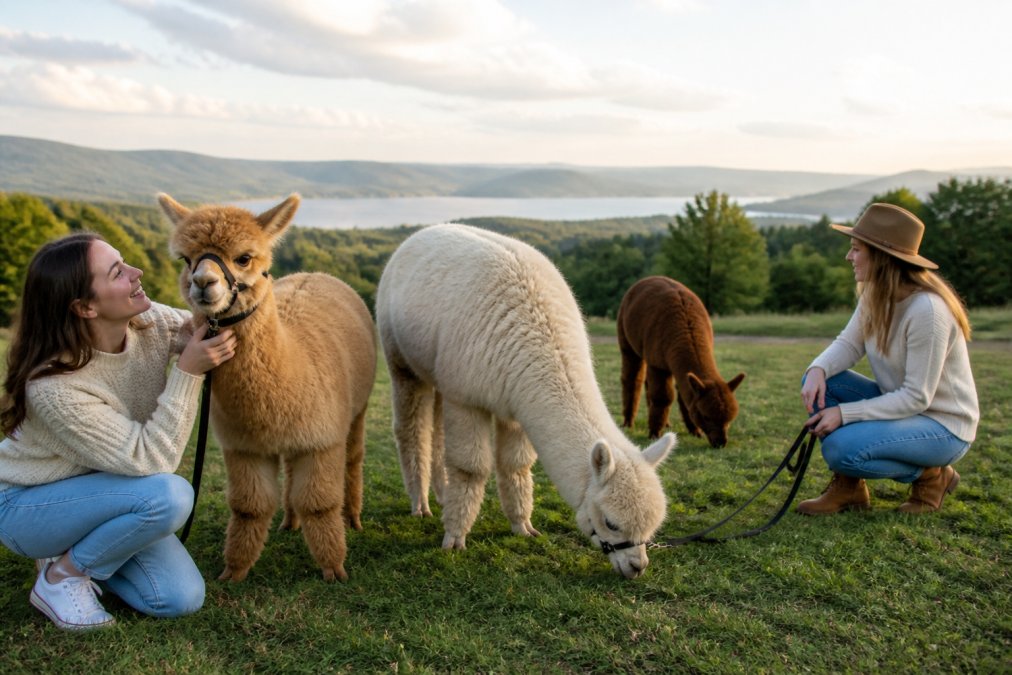
Alpaca farm tours are guided outdoor experiences where visitors walk, feed, and interact directly with alpacas and llamas in a working farm setting. Most tours run between 60 and 90 minutes and combine animal husbandry education, hands-on feeding, and a pasture walk with a haltered animal at your side.
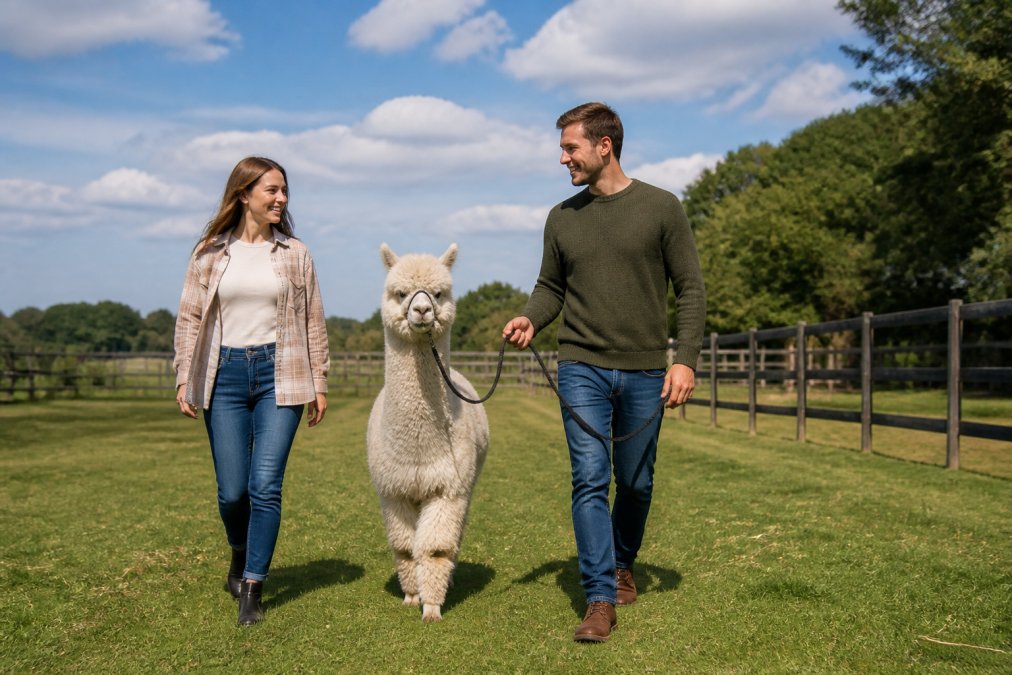
At Hidden Brook Ranch Alpaca, located 50 miles from New York City in New Jersey, each guest receives their own alpaca or llama to lead through the pasture. That personal connection separates a proper alpaca farm tour from a simple zoo visit, you're walking alongside the animal, learning its personality, and building a genuine bond rather than observing from behind a fence.
Farm-based tourism is one of the fastest-growing segments of American agriculture, with thousands of farms now offering structured visitor experiences (usda.gov). Alpaca farms sit at the intersection of that trend and the broader demand for hands-on learning and animal interaction.
Guided Walks vs. Pasture Tours: Which Experience Fits You
A pasture walk brings a group into a paddock to observe and feed the herd collectively. A guided walk assigns each visitor or pair their own animal on a halter and lead line, with a knowledgeable host accompanying the group through the farm. For couples or anyone seeking a memorable experience, the guided walk delivers personal connection; the pasture tour is pleasant but less intimate.
Interactive Animal Experiences: Feeding, Walking, and Meeting the Herd
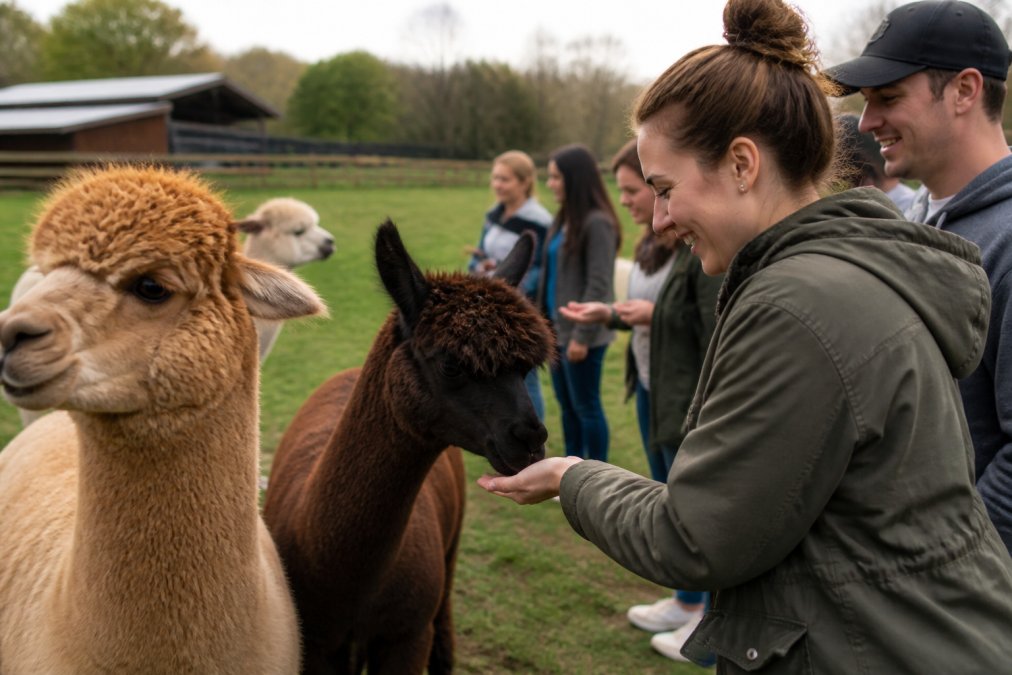
The most popular interactive experiences involve hand-feeding, haltered walking, and meeting younger or more social animals. Hand-feeding is nearly universal and reveals how gentle alpacas are, they have soft mouths, no top front teeth, and cautious curiosity that makes them approachable even for nervous first-timers (peer-reviewed research). Alpaca trekking, where you lead your animal along a defined route, adds a physical dimension that turns the visit into a proper outdoor activity. A good host matches each guest with an animal suited to their comfort level.
How Long Alpaca Farm Tour Duration Runs, and What Fills That Time
Alpaca farm tour duration typically runs between 60 and 90 minutes for a standard guided experience, covering a proper introduction to the herd, a haltered walk through the pasture, a feeding session, and conversation about alpaca fiber and animal care.
Here's how that time generally breaks down:
Tour Phase | Typical Duration | What Happens |
|---|---|---|
Welcome and safety briefing | 5-10 minutes | Meet your host, learn animal behavior basics |
Herd introduction and feeding | 15-20 minutes | Hand-feed alpacas, observe herd dynamics |
Haltered walk through pasture | 20-30 minutes | Lead your own alpaca along the farm route |
Education on fiber and animal care | 10-15 minutes | Learn about alpaca fiber, shearing, herd management |
Farm store visit and photos | 10-15 minutes | Browse on-farm store, photography opportunities |
A well-run alpaca farm tour rotates activities frequently enough to maintain engagement. The animals themselves do most of the work, a curious alpaca nudging your hand for pellets is more effective than any planned entertainment.
Alpaca Farm Tour Prices: What Shapes the Cost
Alpaca farm tour prices vary based on tour format, group size, duration, level of interaction, and add-ons like fiber spinning workshops or private events. Personalized one-on-one guided walks cost more than open herd visits. Longer tours with educational components, add-ons, and proximity to urban centers typically command higher prices.
For current pricing at Hidden Brook Ranch Alpaca, visit the appointments page directly, as pricing varies by group size and date. You're paying for a structured, hosted experience with well-socialized animals, a knowledgeable guide, and access to a working farm that requires significant overhead to maintain safely.
What to Wear to an Alpaca Farm (and What to Leave at Home)
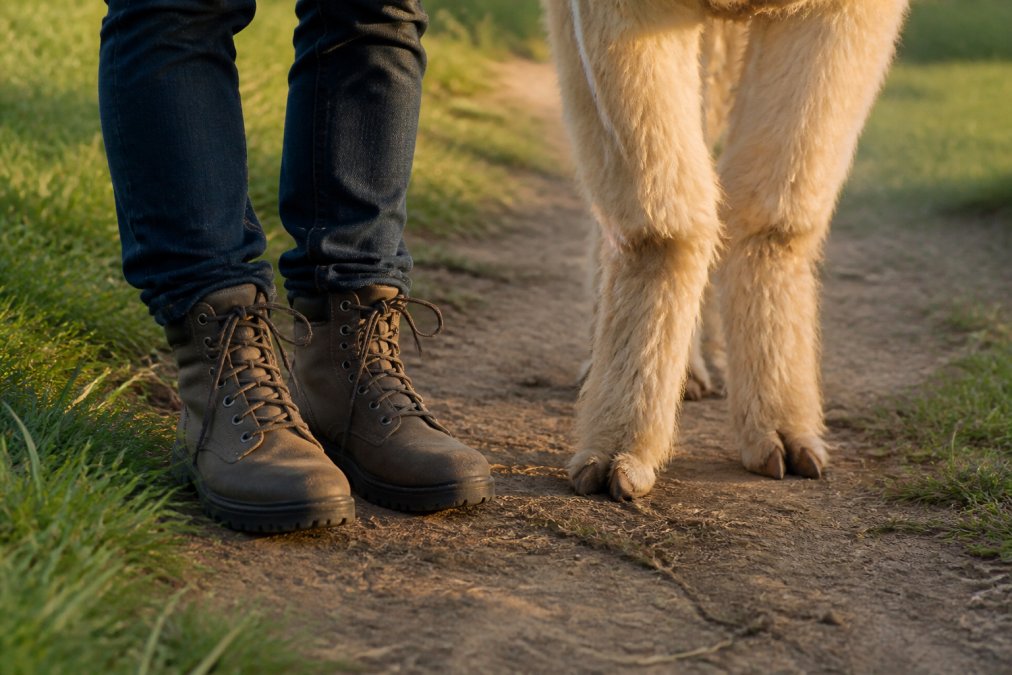
Closed-toe shoes are non-negotiable. You'll be walking on grass, dirt, and potentially mud depending on recent weather.
Wear:
- Closed-toe shoes or sturdy boots (no sandals, no flip-flops)
- Comfortable, weather-appropriate layers
- Clothes you don't mind getting animal hair or farm dirt on
- Sunscreen and a hat for warm-weather visits
Leave at home:
- Open-toe footwear of any kind
- Pets
- Expensive or dry-clean-only clothing
- Strong perfumes or colognes (animals are sensitive to strong scents)
- Anything that trails on the ground, like long scarves
Most farms do not guarantee specific weather conditions, and cancellation policies vary by operator. Always confirm the weather policy at booking time.
Booking, Availability, and Seasonal Variations
Best Times of Year to Visit
Alpaca farm tours are available year-round at most farms. Spring and early summer are most popular, as crias (baby alpacas) are typically born in spring. Fall offers cooler temperatures, beautiful foliage, and excellent photography without summer crowds. Summer visits are warm for both guests and animals; alpacas are shorn in spring, so summer visitors see a different-looking herd. Winter tours tend to be quieter and more intimate, with animals in their full coats.
Reservation Requirements and Group Tours
Reservation requirements are standard across virtually all alpaca farms. Walk-in visits are rarely accommodated because farms must manage herd stress, guide availability, and visitor safety. Book at least one to two weeks in advance for weekend visits, and further ahead for holiday weekends or group tours. Group tours for corporate team-building or private events typically require earlier notice and may involve minimum headcounts.
For private events at Hidden Brook Ranch Alpaca, reach out directly through the booking page to discuss availability and group requirements.
Family Policies, Age Restrictions, and Accessibility
Family-friendly activities are core to the alpaca farm tour appeal, but age restrictions vary by farm and experience type. Some farms set minimum ages for haltered walks, particularly for more demanding alpaca trekking routes. Most well-run farms can accommodate small children for the meet-and-greet and feeding components even when full walks have age minimums.
Accessibility considerations are worth raising directly with the farm before you arrive. Pasture terrain is uneven by nature, and some walking routes involve grass, gravel, or gentle slopes. Many farms can adjust the route or experience format for guests with mobility considerations, but this requires a conversation at booking time.
Animal Welfare and Conservation: What Ethical Alpaca Farm Tours Look Like
A good farm welcomes questions about how it treats its animals. Ethical alpaca farm tours are defined by calm, approachable animals; herd sizes that allow adequate space and social interaction; and guides knowledgeable about animal care, veterinary schedules, and feeding practices.
Alpacas are social animals that live in herds, and well-managed farms maintain that herd structure rather than isolating individual animals for visitor use throughout the day (peer-reviewed research). Responsible operators limit guests per session to manage animal stress. A farm that books unlimited visitors into a single time slot prioritizes revenue over animal welfare.
Key markers of an ethical operation include regular veterinary care, appropriate nutrition, access to shelter, and interaction protocols that respect the animal's behavioral signals. Alpacas tolerate and often enjoy human interaction when handled correctly, but they read body language and respond to calm, patient approaches. A farm that teaches visitors how to interact with animals rather than letting people crowd the paddock demonstrates genuine care for the herd.
Hidden Brook Ranch Alpaca: Guided Walks Near NYC
Hidden Brook Ranch Alpaca offers guided alpaca farm tours within reach of New York City. E Book a guided walk and walk alpaca or llama to walk, delivering the genuine one-on-one animal interaction people seek when booking this experience.
The ranch sits approximately 50 miles from NYC, making it one of the most accessible working alpaca farms in the Tri-State area. For city dwellers, that distance is meaningful: close enough for a half-day trip, far enough to feel like a genuine escape. Hosts are knowledgeable about camelid behavior, fiber production, and animal husbandry, making the educational component substantive rather than surface-level.
On-Farm Store and What to Expect After Your Walk
The on-farm store features alpaca fiber products including yarn, clothing, and accessories made from the herd's own fiber. After the guided walk, the connection between the animal you just walked and the product in your hands is direct and meaningful. Photography opportunities are excellent throughout the visit, particularly during the walk itself.
For current tour availability and to book a guided walk, visit the Hidden Brook Ranch Alpaca appointments page directly. Advance reservation is required, and weekend slots fill quickly, particularly in spring and fall.
Experience Type | Best For | Key Feature | Reservation Required |
|---|---|---|---|
Guided walk with own alpaca/llama | Couples, families, individuals | Personal one-on-one animal interaction | Yes |
Group tour / private event | Corporate teams, celebrations | Customizable format, larger groups | Yes, with advance notice |
On-farm store visit | Post-walk browsing | Alpaca fiber products from the herd | Included with tour |
Most people searching for alpaca farm tours are looking for something they won't find in a city: a slow hour, a calm animal, and the feeling that they've stepped briefly into a different kind of life. Hidden Brook Ranch Alpaca delivers exactly that, with guided walks that put guests directly alongside their own alpaca or llama in a working farm setting just outside the city. Book a guided walk at Hidden Brook Ranch Alpaca and spend an afternoon doing something you'll actually remember.
Frequently Asked Questions
Q: What should I expect during an alpaca farm tour?
A: Most alpaca farm tours begin with a brief introduction to the herd and basic animal behavior, then move into a guided walk where you hold a lead rope and walk alongside your own alpaca or llama. Expect opportunities to hand-feed the animals, ask questions about alpaca fiber and animal care, and browse an on-farm store. The pace is relaxed, and guides keep the experience educational without being lecture-heavy. Tours typically last 45 minutes to 90 minutes depending on the farm.
Q: Are alpaca farm tours suitable for young children?
A: Alpacas are gentle, curious animals and generally safe around children. Most farms welcome kids of all ages for standard meet-and-greet or feeding experiences. Guided walks where children hold a lead rope may have a minimum age — often 5 to 8 years old — because the animals can startle and require a steady hand. Always check with the specific farm before booking. Hidden Brook Ranch Alpaca welcomes families and can advise on the best experience format for your group's ages.
Q: Do I need to book an alpaca farm tour in advance?
A: Yes. Nearly every alpaca farm that offers guided walks or interactive animal experiences requires advance reservations. Herd size limits the number of visitors per session, and farms often run tours on specific days or time slots. Walk-ins are rarely accommodated. Booking ahead also lets the farm prepare the right number of animals and guides for your group. Check the farm's appointments page directly — spots for popular weekend dates fill quickly, especially in spring and fall.
Q: What is the best time of year to visit an alpaca farm?
A: Spring and early fall are the most comfortable seasons for outdoor farm visits. Spring brings newborn crias (baby alpacas) and mild temperatures, while fall offers cooler air and vivid foliage on many properties. Summer tours are available but can be warm for both visitors and animals, so morning time slots are preferable. Winter visits are possible at some farms but check for weather-related closures. Shearing season in late spring is a particularly educational time to see alpaca fiber production firsthand.
Q: What is the difference between an alpaca tour and a llama tour?
A: Both alpacas and llamas are South American camelids, but they differ in size, temperament, and fiber use. Llamas are larger and were historically bred as pack animals, making them well-suited for longer hikes and trekking experiences. Alpacas are smaller, bred primarily for their fine fiber, and tend to have a gentler, more curious demeanor on a short guided walk. Some farms, including Hidden Brook Ranch Alpaca, offer walks with both species so you can experience the difference firsthand.
This article was written using GrandRanker